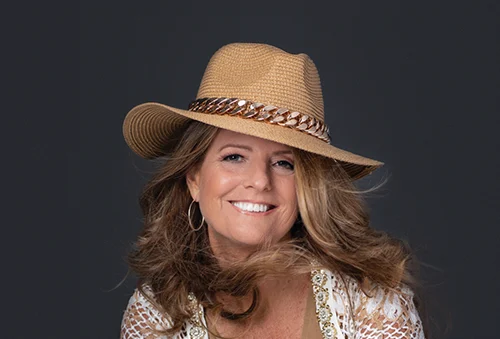
As a child, Forbes Riley underwent severe orthodontic reconstruction and spent two years with braces, rubber bands and a tongue thruster attached to the roof of her mouth, which restricted the tongue movement needed to form sounds. Speaking was difficult, sometimes impossible.
“So instead of talking, I observed,” she recalls. “I watched how people connected, persuaded, shut down, rambled or lit up a room. What I realized is that confidence isn’t something you’re born with. It’s built the moment you decide your voice matters.”
Once Riley learned how powerful words could be, it changed her life. Now, the entrepreneur, fitness icon and motivational speaker is teaching others that their ability to communicate determines the size of their opportunities.
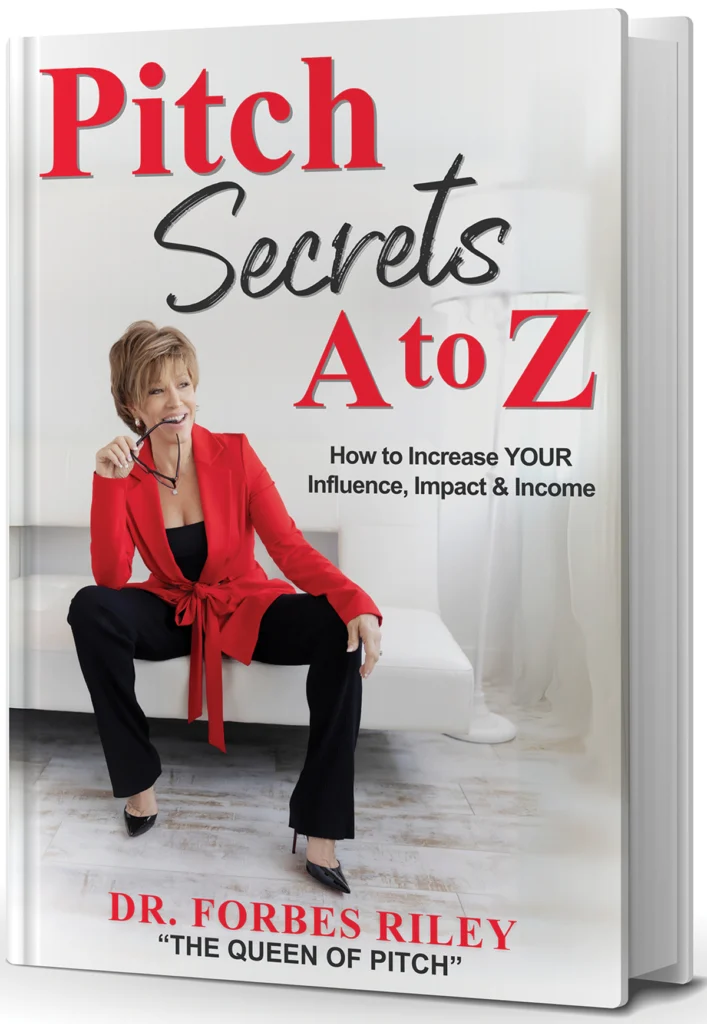
Riley, who lives in St. Petersburg, released her newest book, Pitch Secrets A to Z: How to Increase YOUR Influence, Impact & Income in May. The book, a USA Today bestseller, teaches the art of pitching.
But the author is quick to point out that the book isn’t about securing the latest business deal—it’s about boosting confidence, building relationships and, ultimately, being heard.
“We live in a world of notifications, scrolling, algorithms and performance,” she says. “Everyone’s talking, very few are listening.”
A lot of people feel unheard, whether in workplaces, relationships, or even online spaces. Why do you think being truly heard has become such a challenge?
Being heard today isn’t about volume; it’s about resonance. People don’t remember the loudest voice in the room; they remember the one that made them feel seen. The challenge is that most communication today is surface level. Real connection requires vulnerability, curiosity, eye contact, emotional intelligence and, honestly, patience. Those things don’t trend as easily as outrage and noise.
Why do you think so many people associate “pitching” with manipulation or pressure, and how do you redefine it in your book?
Because people confuse pitching with convincing. Bad pitching feels manipulative because it’s selfish. “How do I get you to buy?” Great pitching is service. It’s connection. It’s clarity. Every day you’re pitching, asking for a raise, explaining an idea, introducing yourself, asking someone out, getting your child to eat broccoli. Pitching is simply the ability to transfer belief. In my book, I redefine pitching as helping people see what’s possible. The best pitch doesn’t pressure people. It empowers them.
In the age of social media and personal branding, people are constantly “pitching” themselves, often without realizing it. Do you think modern communication has made us more authentic or more performative?
Both. Social media gave people permission to have a voice without waiting for a gatekeeper and I love that. But it also created a world where people confuse visibility with identity. A lot of people aren’t building a brand—they’re building a costume. Authenticity has become a buzzword while filters, trends and comparison culture are quietly exhausting everyone. The irony is, the most magnetic people online are usually the least polished. Audiences are starving for realness right now. The future belongs to people who can communicate with honesty, energy and emotional truth—not just aesthetics.
Many successful people can command a stage or boardroom but still struggle in personal conversations. What do you think is behind this?
Because intimacy is scarier than performance. On stage, you control the message. In personal conversations, you risk rejection, misunderstanding and vulnerability. It’s easier to give a keynote to 5,000 people than tell one person, “I’m hurt,” “I need help” or “I love you.” Real communication isn’t about impressing people; it’s about connecting with them. And connection requires honesty. That’s where a lot of people struggle.
How are women often socialized differently when it comes to “pitching” themselves?
Women are often taught to be liked before they’re taught to be heard. We’re conditioned to soften our opinions, apologize before speaking, downplay accomplishments and avoid appearing “too much.” Men are often rewarded for certainty; women are scrutinized for it. I see brilliant women constantly shrinking their language: “I just think …” “Maybe this is silly…” “I’m trying…” Meanwhile, confidence is not arrogance. Owning your value is not ego. One of the biggest transformations I witness is when women stop asking permission to take up space.
Your book talks about pitching authentically without sounding “salesy.” What’s the biggest mistake people make when trying to persuade or influence others
They make it about themselves. The fastest way to lose someone is to talk only about your product, your resume, your accomplishments, your features. People care about one thing first: “Do you understand me?” Great communication starts with empathy, not information. The second mistake is sounding scripted. Nobody wants perfection anymore. They want conviction. They want energy. They want humanity. If you sound like a commercial, people tune out. If you sound like someone who genuinely believes in what you’re saying, people lean in.
For people who feel “stuck” personally or professionally, what do you think is the first step toward rewriting their narrative?
Stop repeating the old script. Most people rehearse limitations all day long: “I’m bad at sales.” “I’m awkward.” “Nobody listens to me.” “It’s too late.” Your brain listens to every word you say. The first step is awareness. The second is deciding that your past doesn’t get to author your future anymore. Your life changes the moment you stop narrating why you can’t and start pitching why you can. One new decision can interrupt years of stagnation.
If readers walk away from Pitch Secrets A to Z remembering only one lesson, what do you hope that is?
I hope they stop waiting for permission. So many people are sitting on incredible ideas, gifts, businesses, dreams and voices because they don’t feel “ready enough.” I want readers to realize that pitching isn’t about becoming someone else; it’s about fully owning who you already are. Your words can open doors, create wealth, heal relationships, inspire movements and transform lives. But none of that happens if you stay silent. Your voice matters more than you think it does.
Visit forbesriley.com to learn more.