For much of the past decade, interior design has leaned toward restraint. Neutral palettes, pared-back styling and stark minimalism have offered a sense of visual calm in an increasingly loud world.
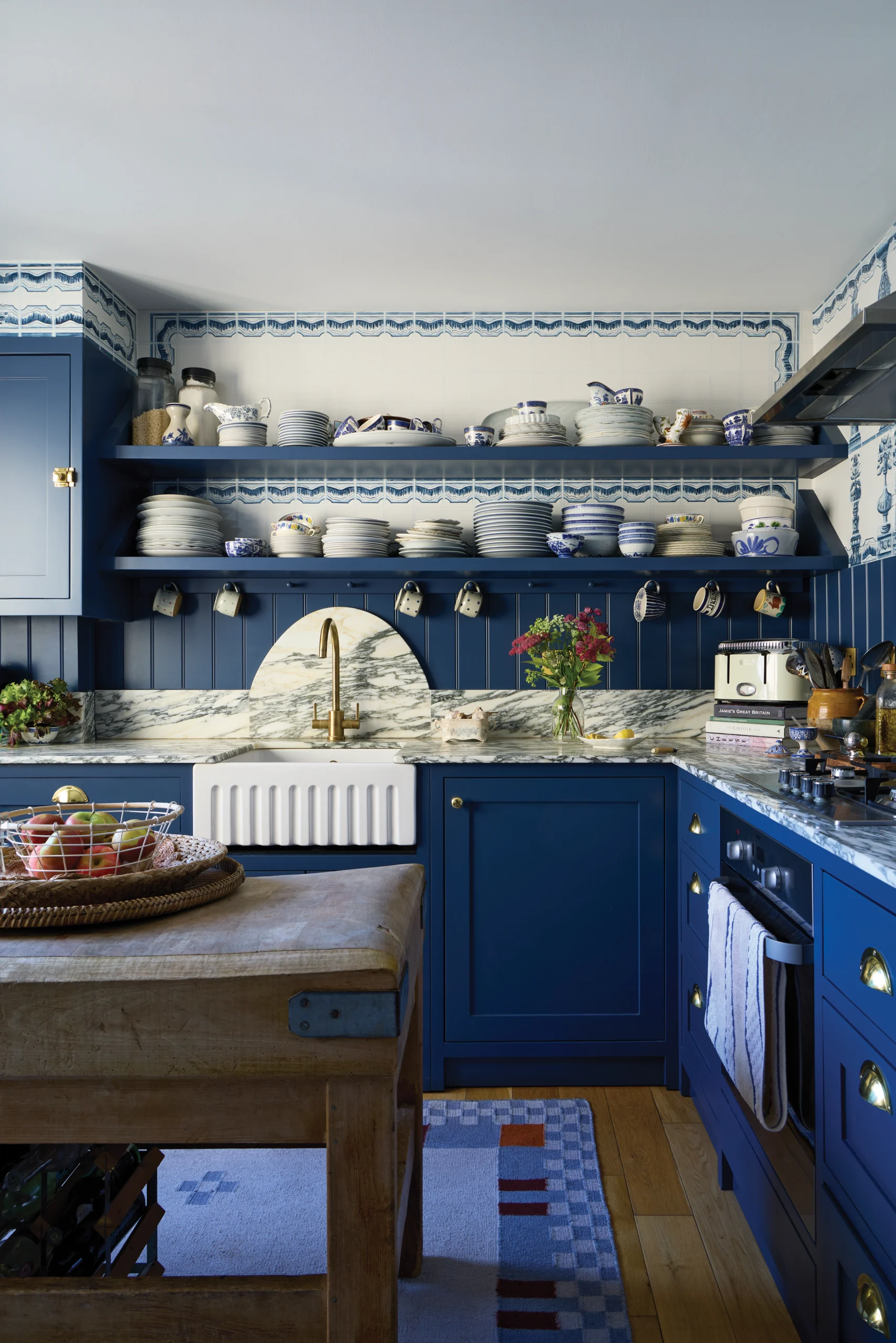
India Holmes’ kitchen, The Layered Home
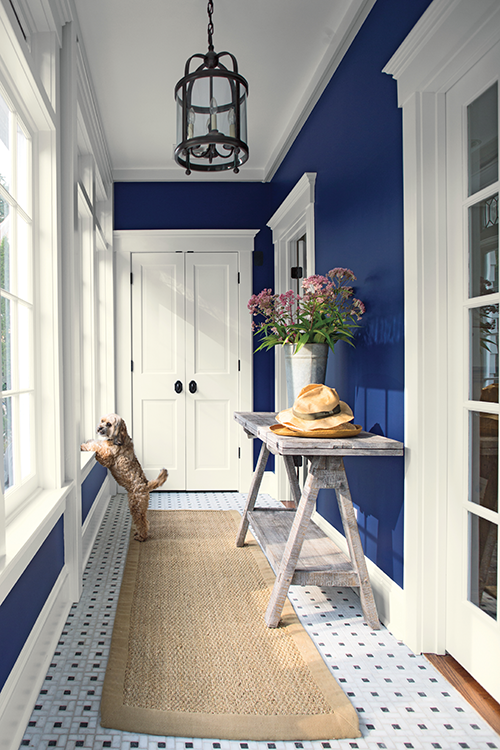
Even paint choices took a hit, as our so-called “colors of the year” drifted in more like whispers on a cloudy day than shades that might actually take us by storm. But more and more, we’ve seen a return to more vibrant shades. Benjamin Moore’s Winding Waterway, seen above in an entryway, feels welcoming and adds dimension to an often overlooked space. Richly pigmented blues like this one, particularly those with green or gray undertones, resonate for their balance of warmth and sophistication. These hues are often described as visual relaxants that can influence mood, foster calm and create a tranquil backdrop, making them especially well-suited to bedrooms, dining rooms and living areas. Strong color also provides an ideal backdrop for gallery walls, creating a sense of visual depth that allows artwork to stand out with striking clarity.
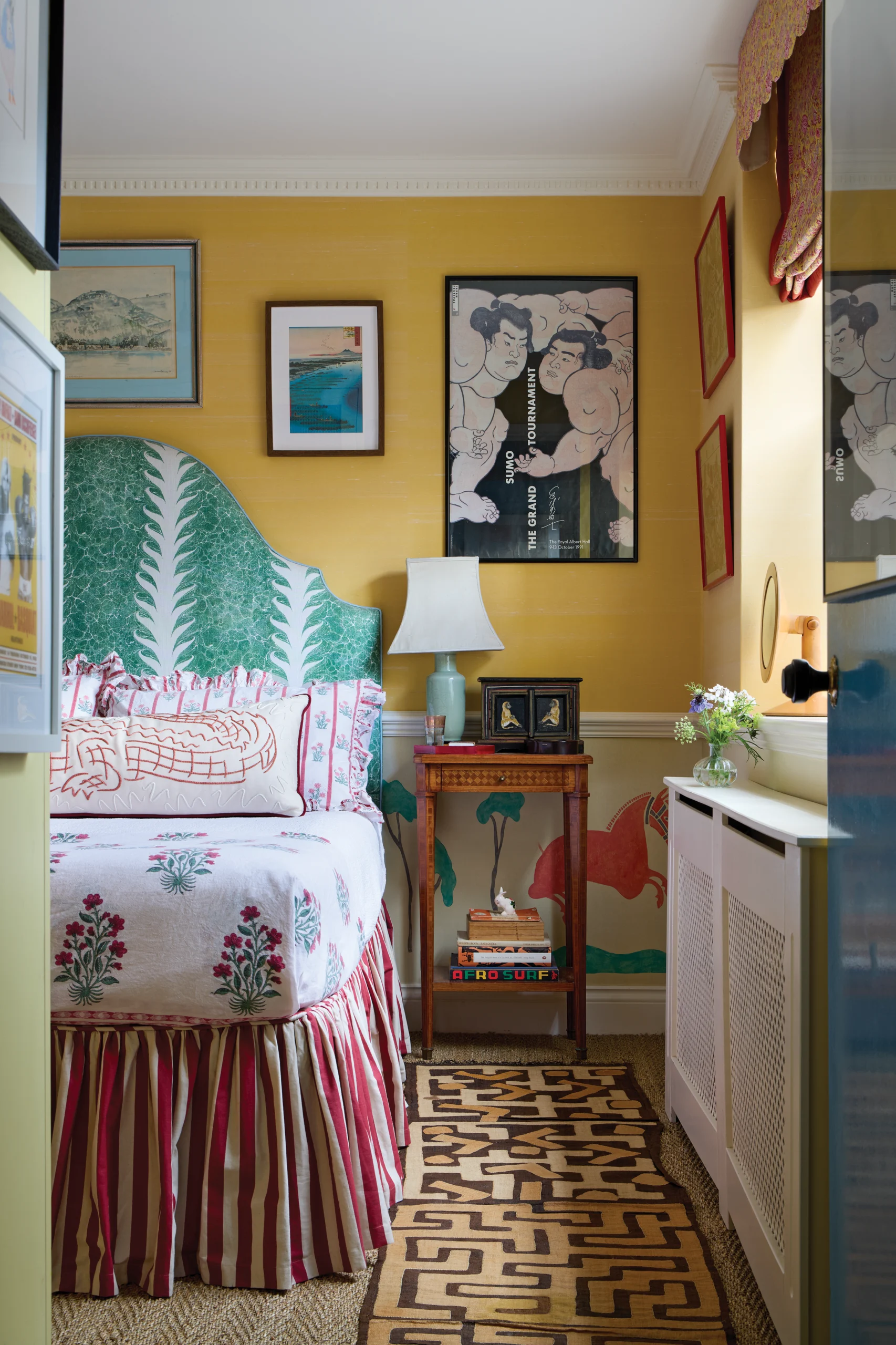
India Holmes’ bedroom, The Layered Home
Alongside this renewed boldness is a broader move toward something more resonant: spaces that feel expressive, lived-in and deeply personal. As interiors move away from the staged austerity of minimalism, there is a growing appetite for rooms that feel layered, mixing periods and furniture styles alongside treasured belongings and eclectic collections—a kind of visual feast rooted in storytelling. It is a sensibility often embraced by noted local interior design stars Lisa Gilmore and Rob Bowen, both known for crafting spaces that feel at once elevated and unmistakably individual.
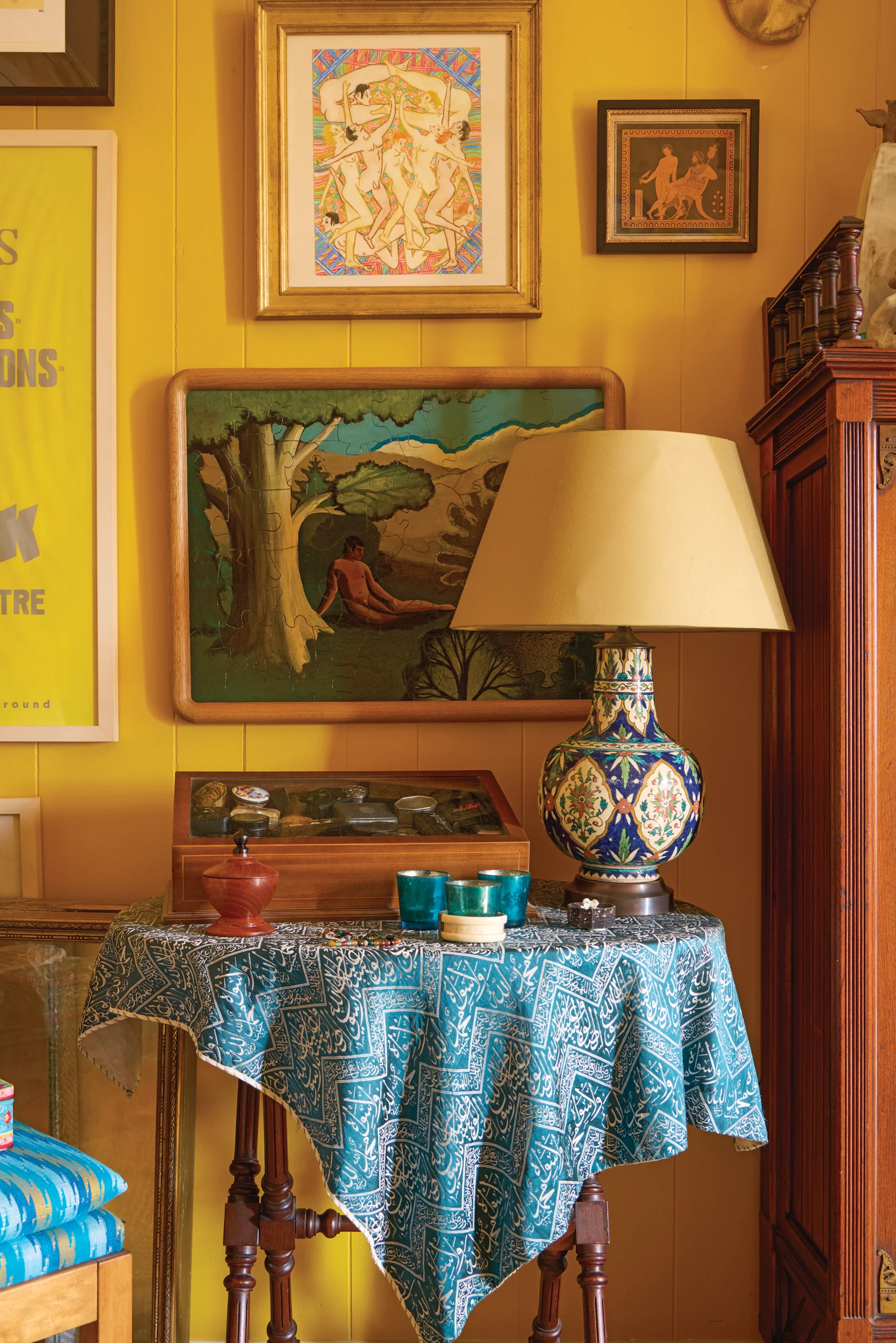
Sean McNanney and Sinan Tuncay’s living room, The Layered Home
It is also the basis of Benjamin Reynaert’s new book, The Layered Home: Inspiration for Crafting Cozy Collected Rooms, in which ELLE Decor’s Market Director explores how the homes are composed and exhibit powerfully personal stories through “a devotion to collections; sometimes many, assorted artifacts from time and travels; and zealous attention to tiny details that contribute to the collective character of a space.”
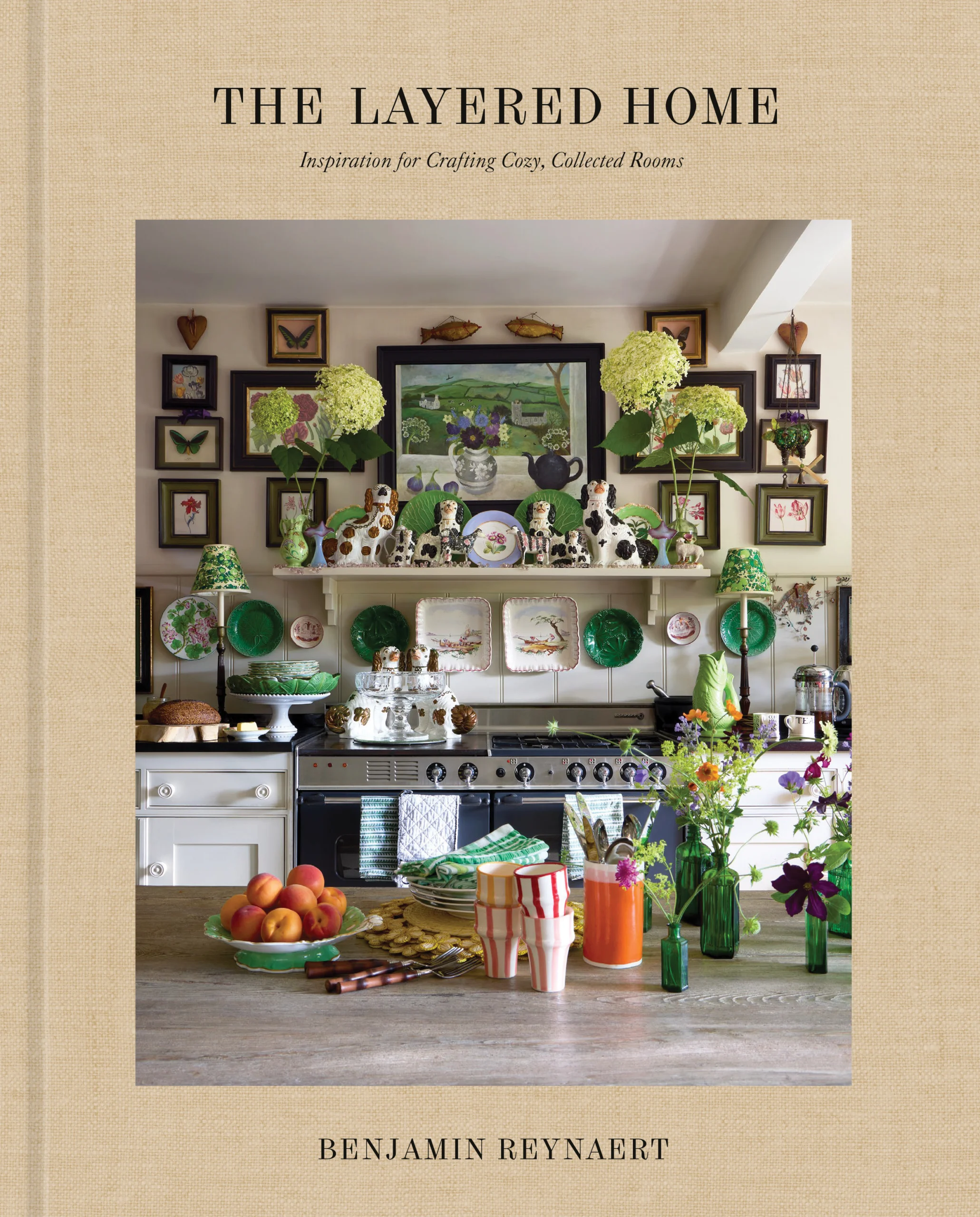
He marvels at the curation and how treasures gathered throughout the years can be mingled to create something perfectly imperfect, distinctly unique and unmistakably the basis of both their homes and their rich histories.
“As a young boy, I sometimes found myself frozen with wonder when I entered certain rooms, particularly those displaying echelons of detail both high and low,” Reynaert explains. “At the time, I didn't know what this reverence meant. But I knew it was important. Almost sacred. The thing I love most about layered living is that the same principles work whether you're a diehard maximalist or a strict minimalist. My goal in sharing layered interiors is really about bringing out your personality and finding what makes your space your own. I'm all for personal expression without boundaries when it comes to decorating.”
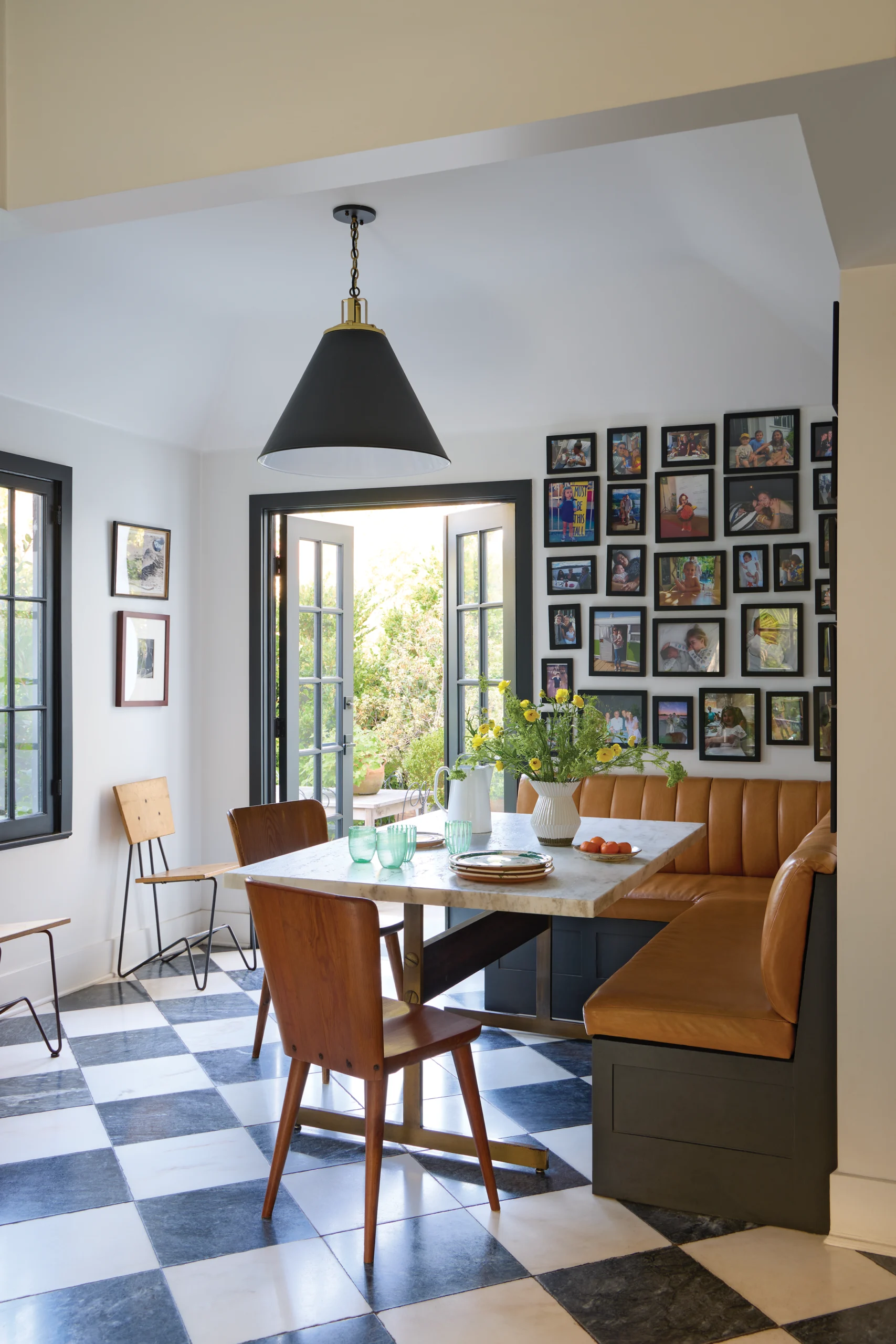
Georgia Tapert Howes’ kitchen, The Layered Home
The book features residences that exhibit the sort of powerfully personal spaces he loves, accompanied by interviews with their intriguing inhabitants.
“Having spent over a decade getting to peek inside the homes of the designers, artists and tastemakers I most admire, I've learned that the most successful, memorable projects incorporate things that are very much loved. Love for objects doesn't discriminate between an expensive antique with historical provenance and a whimsical souvenir from a trip or a lovely shell picked up at the beach.” Reynaert writes. “Knowing the difference between what's beautiful, purposeful and meaningful and what is simply transactional is no easy task. Every detail counts, from what type of waste bin sits beneath your desk to the pen you write with. I believe in finding and using aesthetically pleasing things for even the most utilitarian of jobs.”
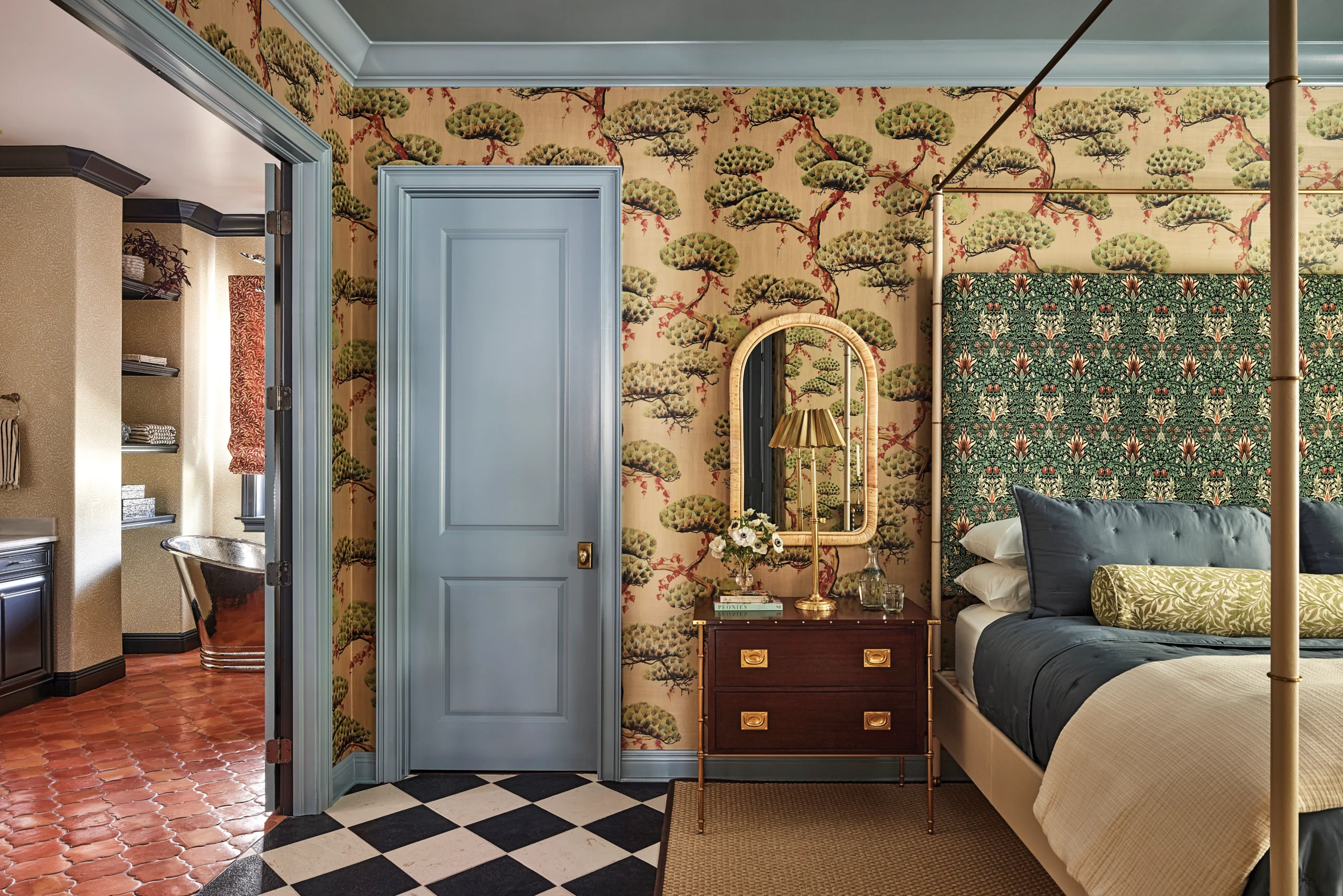
French & French Interiors’ Florida Fleur project, photo by Jenna Peffley.
At its core, layering is about building a room gradually. It encourages mixing old and new, pairing refined finishes with everyday comfort and allowing spaces to evolve over time. This approach supports longevity. When homeowners invest in well-made pieces and incorporate items with personal history, rooms become less trend-driven and more enduring.
“We often tell the client, take the time to get what you really want,” shares David King of DōMA Home Furnishings, stressing that curation requires strategy and time to complete. “Accommodating the best solution in the shortest timeframe oftentimes means sacrificing or compromising on design components or pieces in lieu of achieving what you really want, for the sake of time or money.”
Instead, he suggests establishing a realistic timeline to achieve just the right mix of furnishings, materials and options by working with one of their design consultants to assist with your objectives.
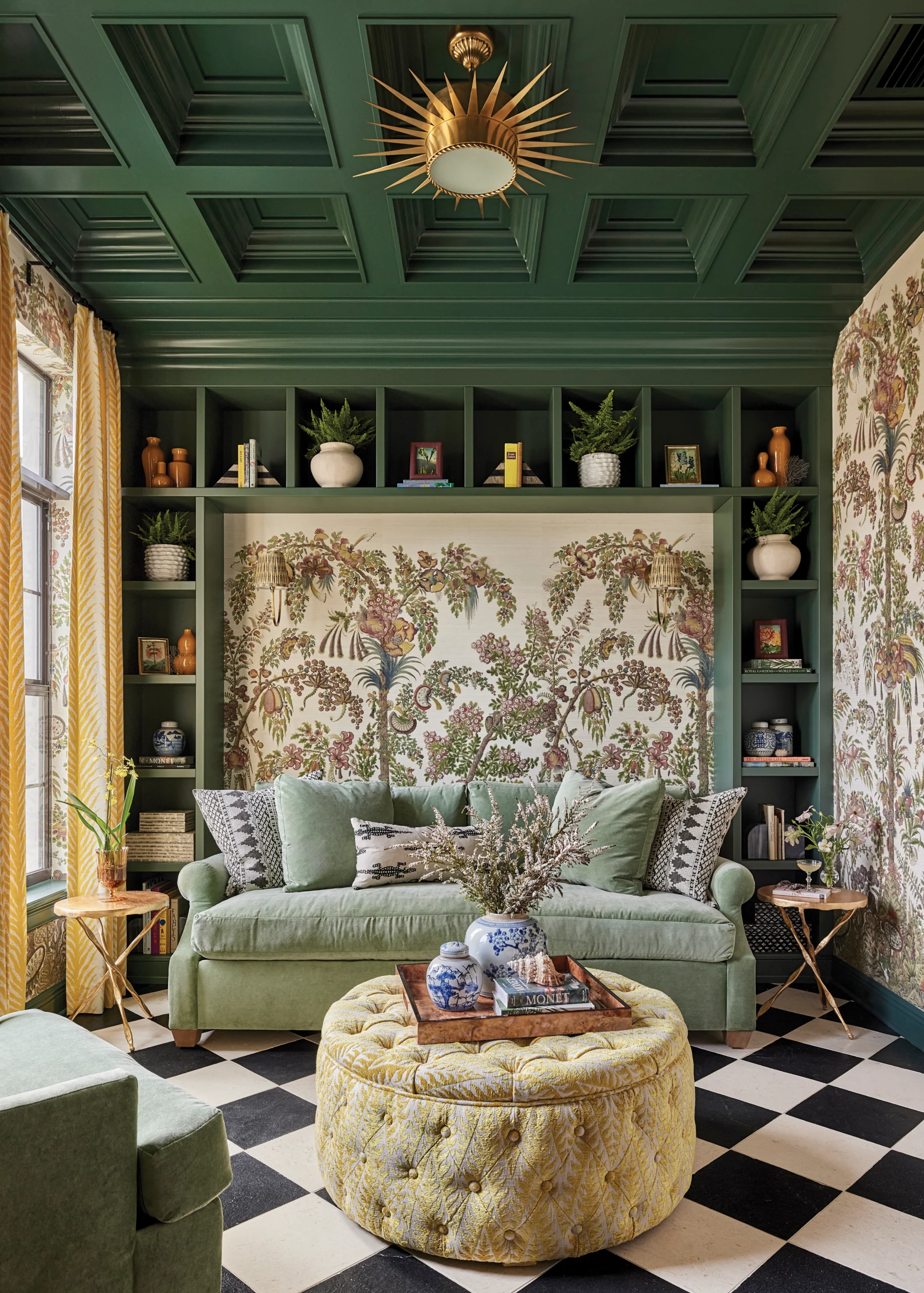
French & French Interiors’ Florida Fleur project, photo by Jenna Peffley.
Husband-and-wife duo Heather and Matt French of French & French Interiors, based in Santa Fe, also see each space they design as a “layered narrative—artful, intuitive and deeply personal.”
They begin each design with a conversation and a deep curiosity about how their clients live, including their recent standout St. Pete-based project.
“It’s a collaborative journey toward creating interiors that don’t just look extraordinary, but feel alive with joy, meaning and imagination woven into every detail,” Heather explains. “Our Florida Fleur project is a tribute to the romance of Old Florida style, reimagined through a European lens. Our client, who is originally from France, dreamed of a home that reflected her heritage while capturing the breezy charm of coastal living. With that vision in mind, we layered vibrant colors, intricate patterns and tailored details throughout—anchored by classic black and white checkered stone floors that run from room to room. The result is a space that feels both storied and fresh, elegant yet deeply personal. This home represents what we love most about design: honoring history, embracing boldness and creating something that feels truly timeless.”
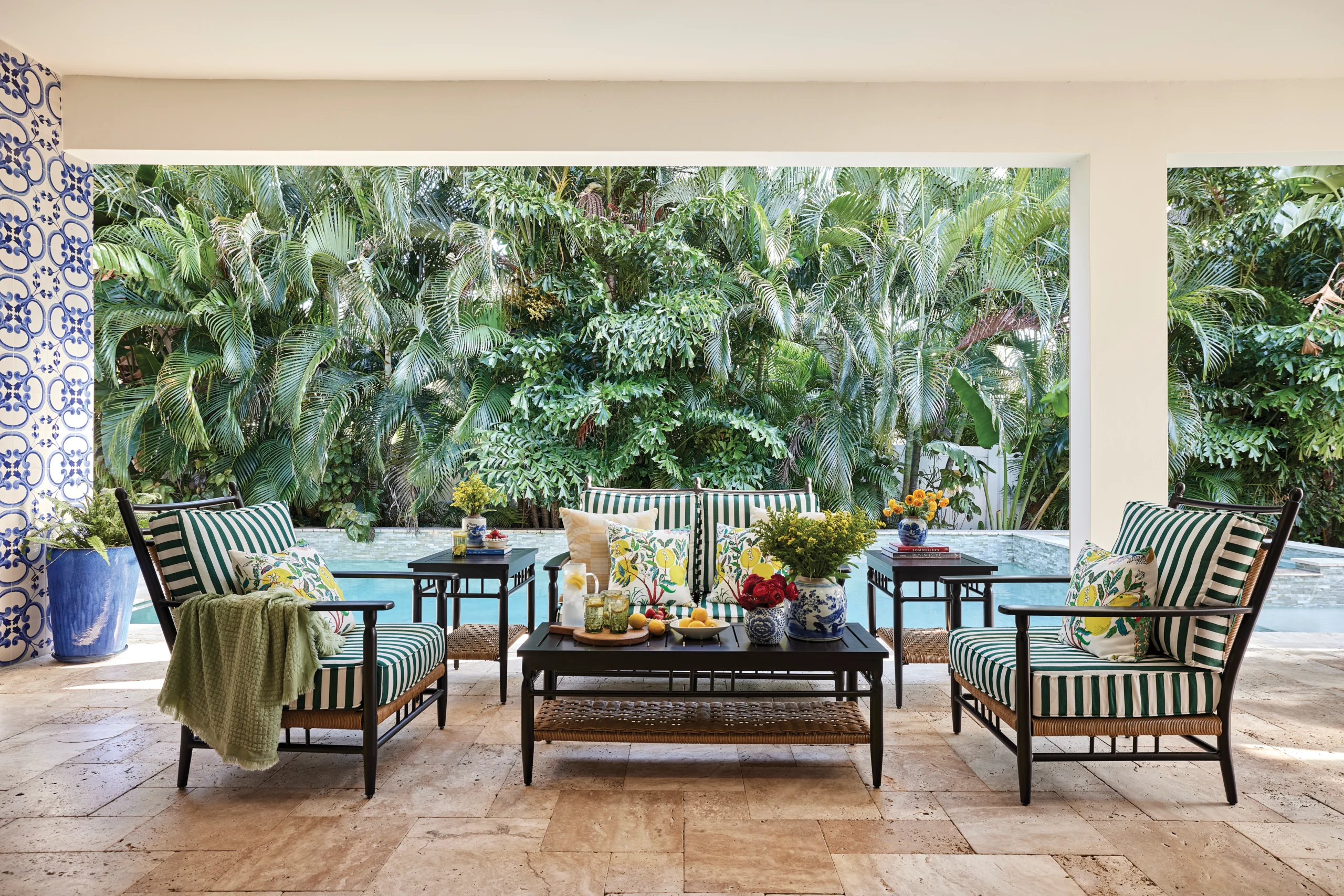
French & French Interiors’ Florida Fleur project, photo by Jenna Peffley.
Their focus was on creating joyful interiors, beginning with a harmonious mix of color and pattern, then experimenting with texture and scale to achieve a balanced and cohesive environment.
“A home should feel personal and reflective of the people who live there,” Heather shares, echoing the same belief as Reynaert. “That’s where the feel-good quality really comes from. We also encourage clients to think about architectural changes or incorporating custom millwork. Those elements instantly bring character and a sense of soul to a space. Then there are the small details, which often make the biggest difference—elements you interact with every single day: hardware, light switches, wallpaper, finishes. You might have great taste, but translating that into a cohesive, fully realized home is a different skill set. Having a team to guide you through the process truly changes the game.”
For those who want to pursue the layered approach on their own, think about it as an exercise in creating visual interest and depth without clutter, balancing calm foundations with character-driven details. Accent walls, upholstered furniture, art and textiles allow homeowners to introduce personality without sacrificing balance. Pattern works in a similar way. Subtle stripes, botanical prints and geometric motifs add movement and interest. Beyond furniture and finishes, personal objects often carry the greatest emotional weight. Artwork collected over time, a well-worn armchair, a handcrafted ceramic bowl, family photographs and collectible items give rooms narrative depth. These elements transform houses into layered homes that tell our stories.
Visit frenchandfrenchinteriors.com and domahomefurnishings.com for more information. The Layered Home, published by Clarkson Potter, is available through amazon.com