Photography by Steven Le — Thee Photo Ninja, theephotoninja.com
If you’re anything like me, your relationship with high-end restaurants is a mix of profound curiosity, palpable excitement and quiet hesitation.
That hesitation stems from a feeling of vulnerability. When we step into an unfamiliar culinary setting, we temporarily lose our bearings, navigating not just a menu of unknown flavors but an intricate choreography of service, presentation and chef-driven storytelling that asks us to surrender control. In other words, trying a new cuisine can feel like visiting a foreign land where you don’t quite speak the language and don’t feel you can join the conversation. It’s also an investment of time, money and social energy, which makes the fear of disappointment entirely reasonable.
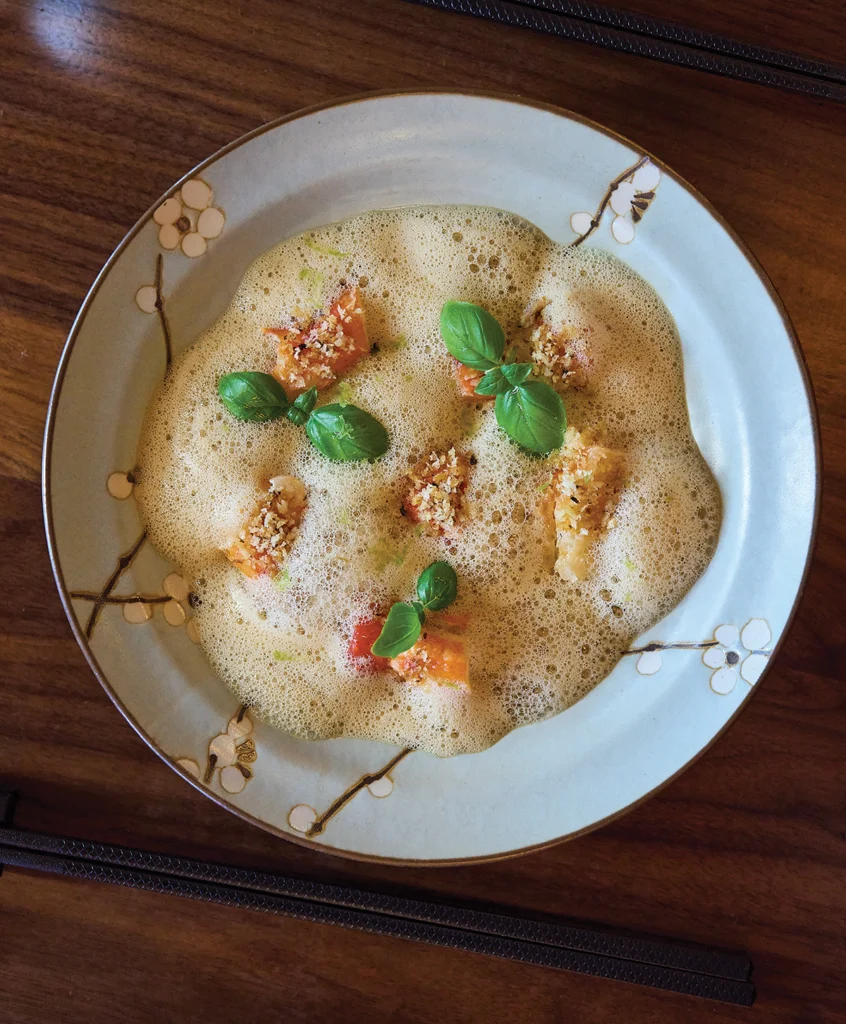
Ultimately, when trying a new type of cuisine or restaurant, the only true barrier to entry is your own preconceptions. That hesitation to risk trading the comfortable certainty of your favorite local restaurants for the gamble of a chef’s unique vision usually lasts right up until curiosity outweighs the hesitation.
Enter Fortu and Isu, the sister restaurants in downtown St. Pete that have generated so much buzz they’ve become impossible to ignore.
For several years, I have longed to visit but never quite crossed the threshold. It wasn’t a lack of appreciation for good food or sophisticated dining that kept me on the sidewalk. It was a lack of familiarity with the cuisine and format. To those of us raised on the predictable geography of traditional Asian dining, comfort is often measured by a high degree of autonomy at the table. Our rituals are defined by a personal orchestration of flavors—the mixing of soy sauce and wasabi, the side of pickled ginger and a menu filled with familiar dishes. But when considering a more elevated and perfectly orchestrated Pan-Asian menu, that sense of control evaporates, leaving the unfamiliarity easy to misinterpret as exclusion.
Historic Hospitality
On the ground floor of the historic Ponce de Leon Hotel, Michelin-recommended Fortu blends contemporary luxury with heritage architecture, at the corner of Beach Drive and Central Avenue. The space is handsome with warm wood finishes, sleek and inviting banquettes and an abundance of lanterns, reminiscent of a swarm of jellyfish. It has the quirky yet sophisticated feeling of a 1970s neo-noir film set.
Specializing in Pan-Asian cuisine that combines cooking styles, ingredients, and recipes from various regions across East, Southeast and South Asia. It blends distinct culinary traditions—such as Chinese, Japanese, Thai, and Vietnamese—into a unified dining concept. The aim with this form of cuisine is to harmonize flavors, respecting their origin while using them in new and exciting ways which is evident in such dishes as their signature Miso Black Cod, Otoro with shiso chimichurri and their sophisticated sake-infused cocktails.
Slip down a flight of stairs and you will discover Isu, Fortu's sultry "little sister.” This below-ground izakaya lounge has a moody vibe and warm amber lighting low enough to conceal a mystery.
At the center of it all is Nathan Howey, the reserved but jovial ringmaster, who is Benson Hospitality Group’s director of culinary, a managing partner, operating owner and the chef who once led Fortu’s kitchen. He is also a man on a mission, determined to steer Fortu away from the frigid elitism often associated with fine dining. Here, elevated food is served with back-porch warmth, an approach designed to dispel the old notion that luxury should be guarded. He gestures toward a dining room devoid of white tablecloths and explains that there is no room for pretension or gatekeeping here.
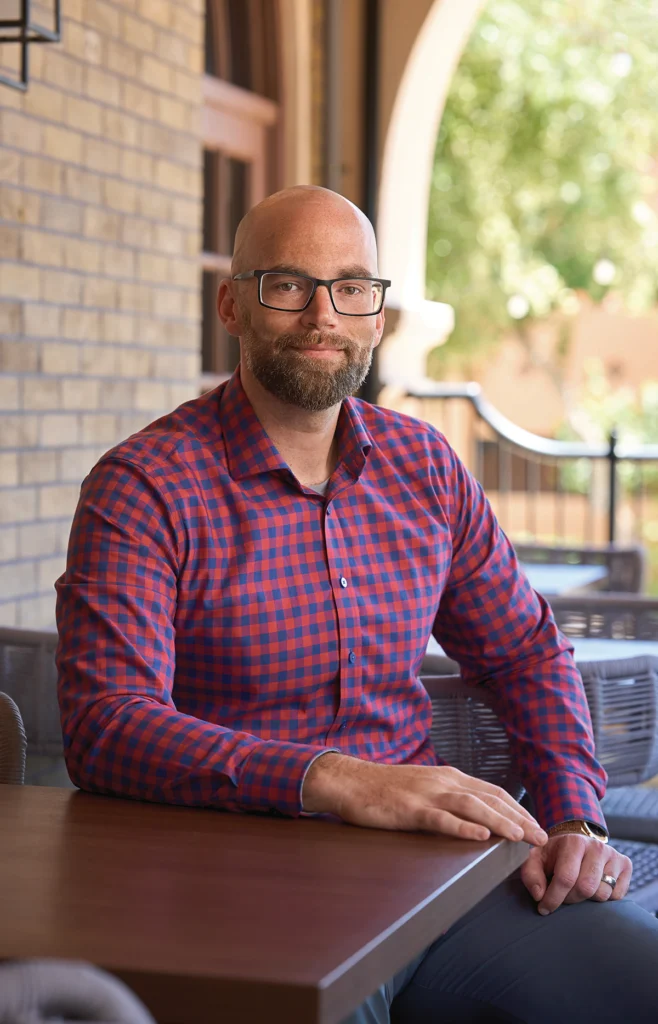
Nathan Howey
He and his partner Shan Bakrac, Benson’s founder and owner, collaborate on operations for Fortu, Isu, Black Cattle Burgers and Top Slice Pizzeria.
“Shan is all things taste, touch, feel, sensory and organized,” Howey offers. “He kind of designs the dining rooms and has a strong hand in the flow of the menus and how he wants the feel of everything to be.”
This is abundantly evident as Bakrac holds court with the restaurant general manager and staff a few feet away, laying out a plan to reimagine the host stand and passage to Isu.
At their very core, these eateries are designed around the ultimate form of hospitality: making the guest feel entirely at home through an exceptional culinary program and curated experiences.
“If you followed us, we went through massive branding changes, almost every quarter in our first year and every six months in the years after,” Howey explains. “What we wanted was a steakhouse with a ton of Japanese inspiration, a lot of high-end Wagyu—just real prime. Prime was going to be our lowest cut. We went very elevated. What we found out quickly is that the community didn’t really understand it, and I don’t know that we really put our best effort into helping everyone get what the brand was about. When we put the verbiage ‘Japanese steakhouse’ out, some people would walk in and be like, ‘Where’s the hibachi? Where’s the guy flipping the shrimp?’”
He shares that they realized that particular marketing language and their opening price point didn’t make sense for the community. So they focused on refining the concept and delivering the level of service that they wanted to provide.
“Shan had an idea in his mind, and we spent week in and week out developing that, but it was aggressively inventive for the area compared to what the other offerings were,” Howey recalls. “You travel down Beach Drive, and they’re good restaurants, traditional, right? We were so nontraditional that I think it kind of shocked people and we became this divisive place. We didn’t want to have that balance of love and hate. We just wanted to resonate with the community. So internally, we took every negative review and every constructive comment to heart. We kind of rolled with it and worked on those things as we went.”
That strategy served them well.
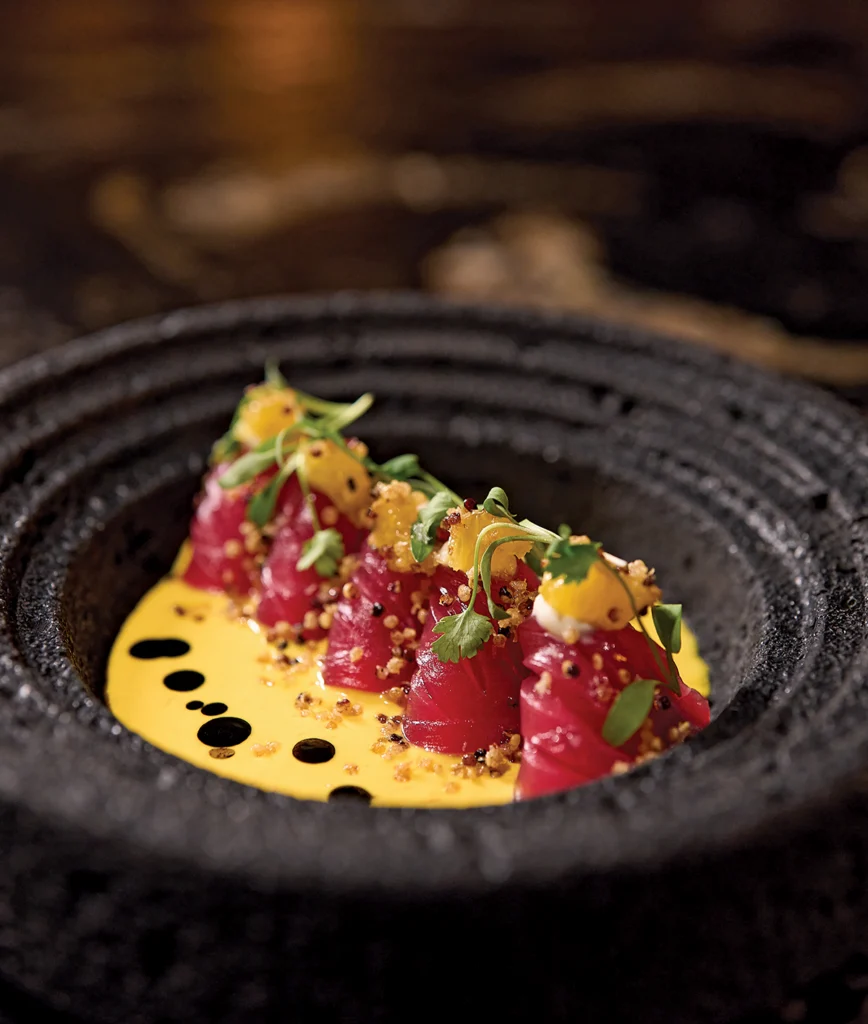
“We gained a lot of traction with Michelin coming to town and getting that recognition. It was huge for us. Quality and consistency obviously the pillars of that distinction. And then we just focused on overall growth. How do we refine the plating? How do we make it more beautiful? How do we make the space better? We realized we had to further hone everything. Being good isn’t good enough. We wanted to be great. We wanted to be great all around.”
“So, at this point, Fortu is inherently Japanese as far as ingredients and the structure of the menu, with a bit of a French backbone. That’s kind of how we operate now. And, as any restaurant will do, we’ll incorporate some international and world flavors as we go through the seasons.”
Passionate Pursuits
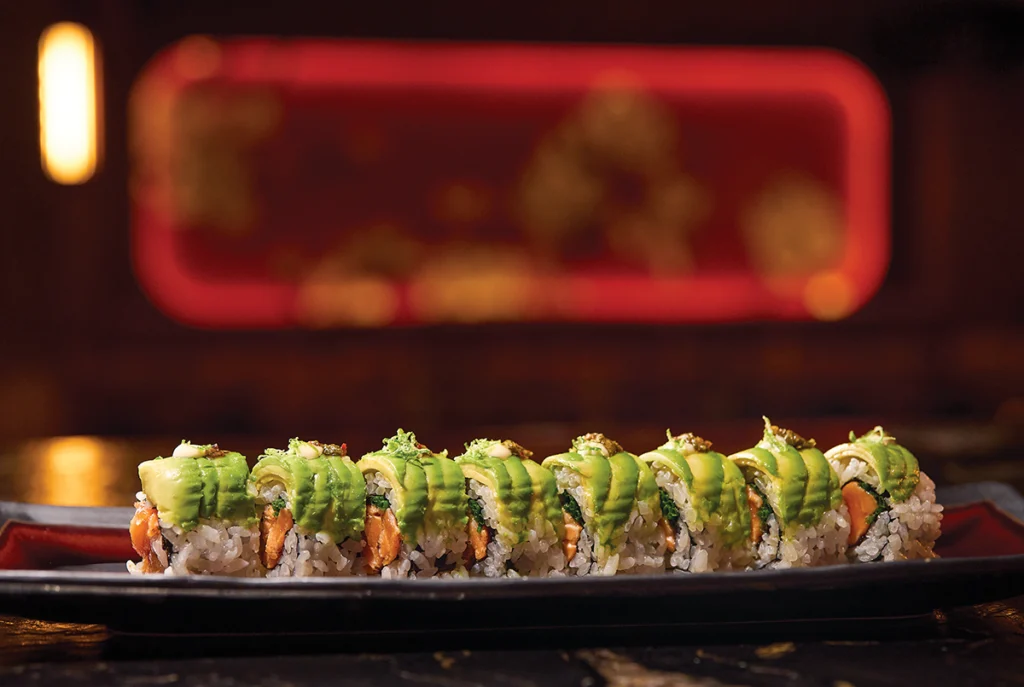
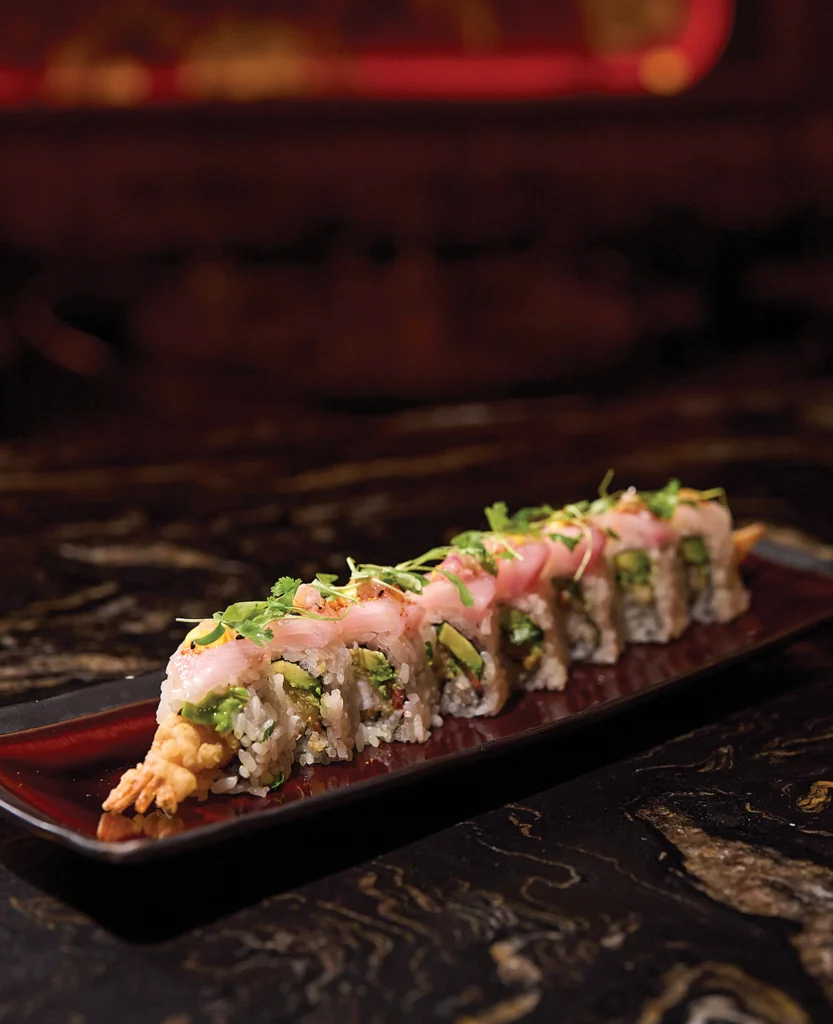
One flight down, Isu extends this concept beautifully, offering a menu that coaxes incredible depth out of every ingredient while exploring its own brand of cool. Howey says they saw an opportunity to bring high-quality sushi in a distinctive setting, while applying the same approach they used at Fortu.
“From our perspective, as far as high-quality sushi in a vibrant atmosphere, I don’t know that there’s really an option here in St. Pete,” Howey asserts. “Not to say that there aren’t good sushi bars, but we asked ourselves, are we going to be compared to the same hand roll, the same sushi roll? How do we get away from that? We’re not going to have a dynamite roll and those sorts of things. What else is out there that could be accomplished branding-wise similar to what we did with Fortu? We found this Peruvian-style sushi, and if you’re not familiar with it, Nikkei is the result of Japanese immigrants who came to Peru and integrated Japanese culinary traditions with Peruvian ingredients, ceviches and other national dishes.
He shares that they brought in a chef with a personal connection to the cuisine to help refine the concept.
“He was born in Japan, but his father lived in Peru, so he went back and forth between the two his whole life,” Howey explains. “That was Chef Saya. He came on board for about a week and helped us poke at ideas, elevate some of our concepts and really bring that true Peruvian Nikkei essence to the food.”
Sushi Chef Christian Lopez was recruited to lead Isu and has become a popular draw for diners.
“Chris worked hand in hand with Chef Saya for seven straight days, trying to pick his brain as much as possible and then took the original idea and ran with it,” Howey offers. “It’s not totally Nikkei. It’s the same thing we have with Fortu, by design. We took a lot of liberty with interpretation and just have fun with it.”
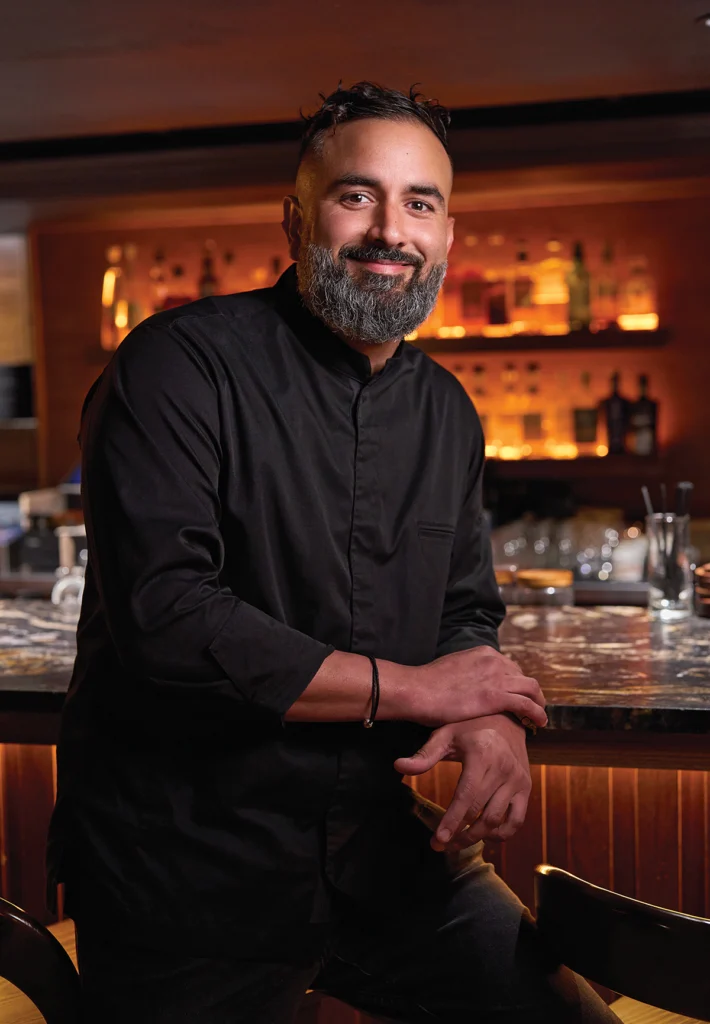
Chef Christian Lopez
Lopez grew up in Dorado, Puerto Rico and credits his mom as his favorite chef. He had already gained a lot of experience with sushi from stints at the Hotel San Juan and then locally at Kobé Japanese Steakhouse and Noble Rice.
“I was given the opportunity to join Nathan and Shan to open this beautiful concept. It was new to me, working with Peruvian flavors at this level,” he says. “Most people have never seen anything like this before, so they're very excited to experience what we're doing here. I am right at the bar preparing the food and I love to have guests come and sit there, talk with me and have some fun. We're communicating throughout the whole service.”
One patron shared, “What started as dinner quickly became one of the most memorable dining experiences we’ve had in St. Pete. As he prepared each course, Chef Christian shared stories, explained techniques and gave us a glimpse into the passion, precision and years of dedication behind his craft.”
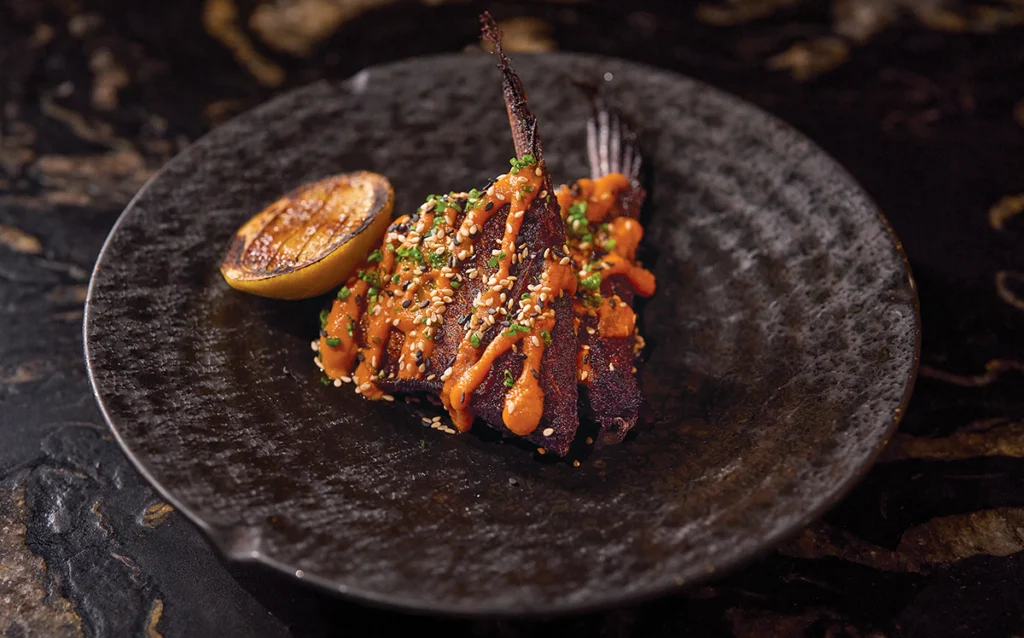
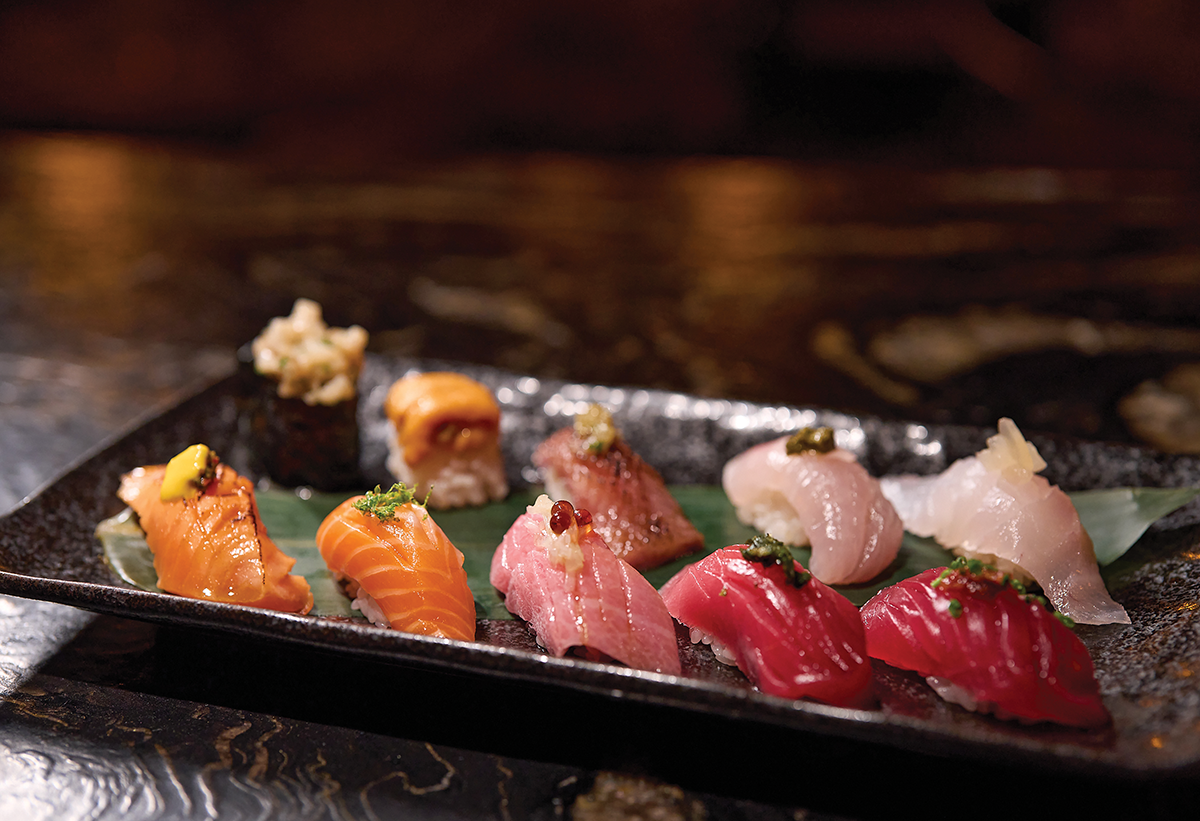
Some of the most popular items among the artfully composed sushi and creative hot and cold small plates include a steak-and-egg maki with ginger chili-cured tartare, kami crudo, wagyu gyozas served with sweet plantain, artful nigiri flights and vibrant ceviche-style tiraditos.
Lopez’s graciousness is also a significant part of the appeal.
“To me, everyone's a VIP,” he enthuses. “Maybe they are somebody that can come and have dinner every night or maybe they are somebody that's been saving money to dine with us. They’re all VIPs to me.”
The Perfect Bite
When you step into Fortu or Isu, the absence of condiments on the table is not a restriction—it is an act of care. Since taking over as the Executive Chef of Fortu in July of last year, Colombian-born Cristian Canencio has worked to ensure that each dish is an unforgettable explosion of balanced flavor.
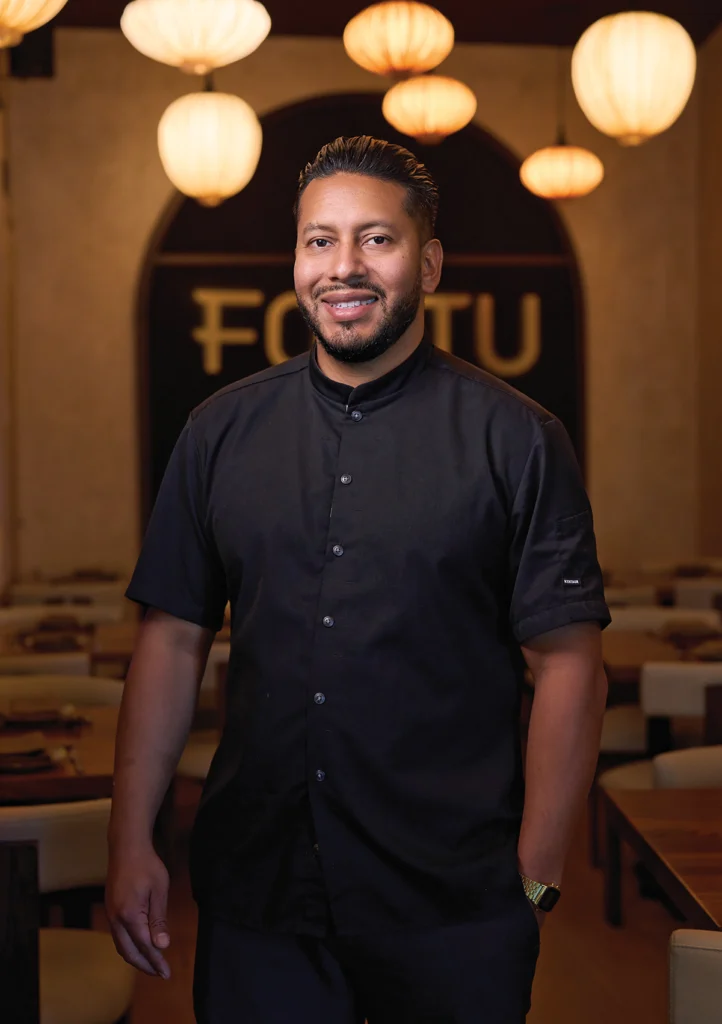
Chef Cristian Canencio
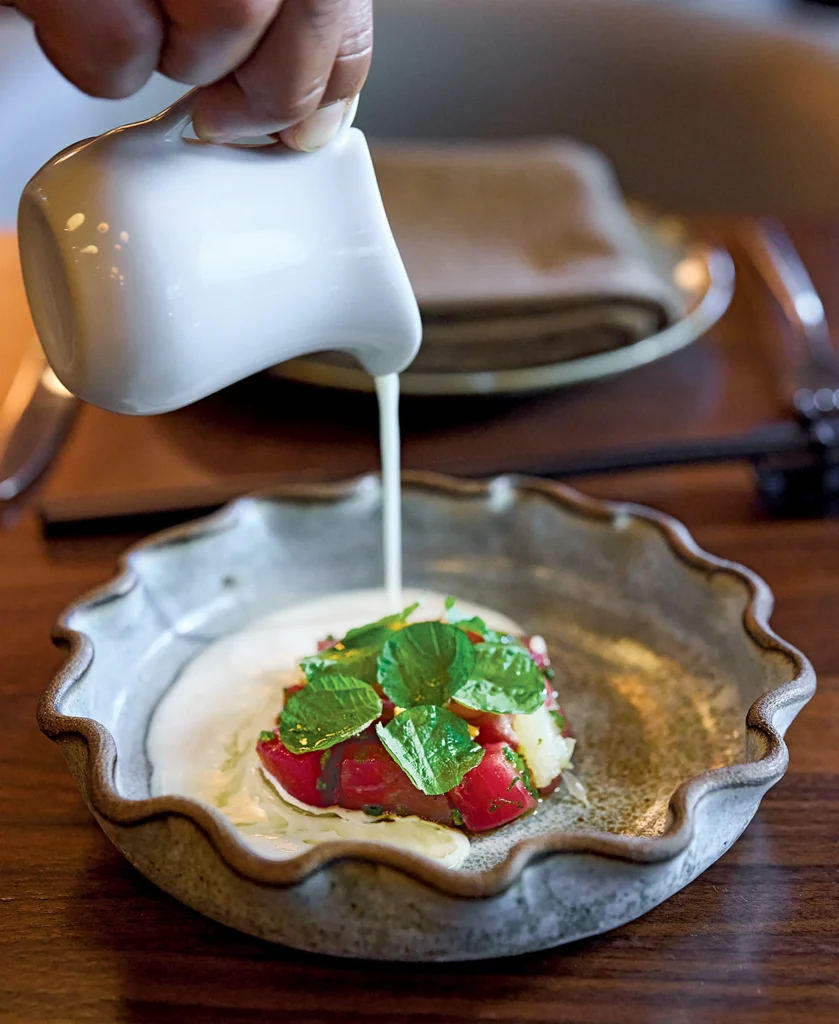
“We highlight a lot of seasonal ingredients and elevated items, such as truffles, caviar, king crab and lobster,” the chef explains. “I want to make sure there is also always the right harmony of flavors, acid, sugar, salt, everything in every single bite. Each bite needs to be perfectly balanced so they get all the textures and flavors that we're trying to highlight. And I want to make sure that when we do, that we're creating a sense of comfort. In Japan, it's called umami. It's when you hit all the points on your palate, through one bite. That’s what creates that craveability—something you want to keep eating. We like to make sure the guest experiences that feeling.”
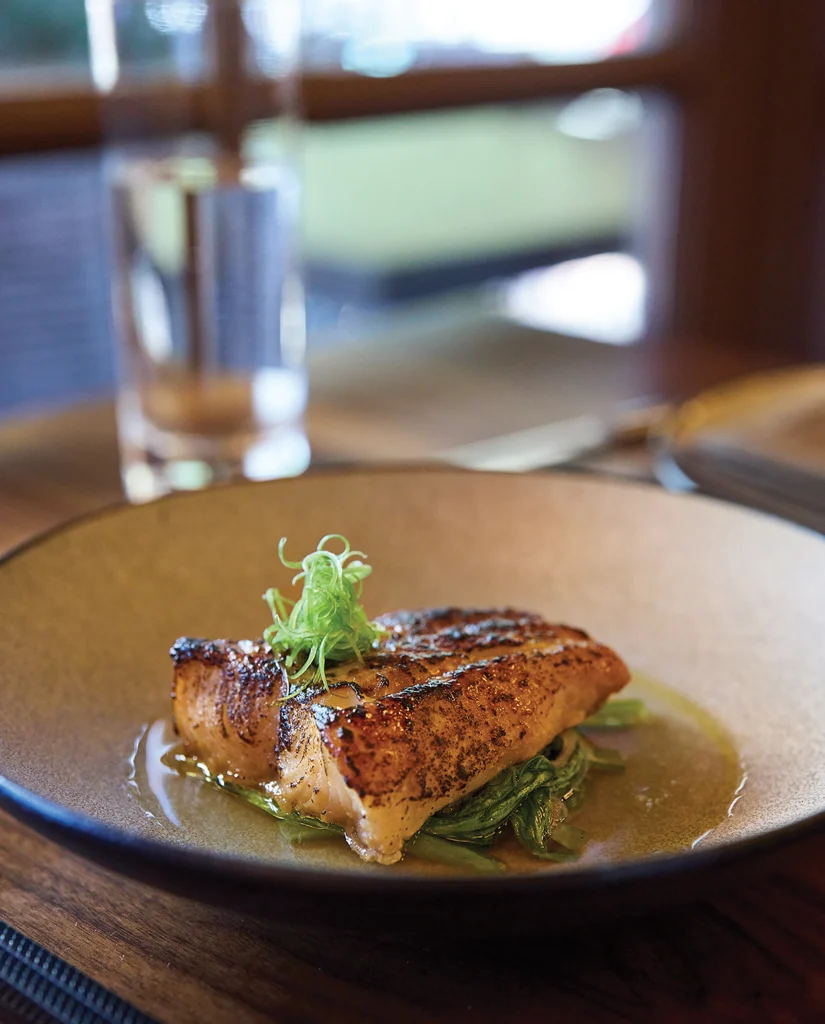
Savoring the Journey
With Fortu and Isu now flourishing, the evolution of the group continues with an ambitious new concept that pushes the culinary vision even further. Howey broke the news to us exclusively that the group will open a new American steakhouse in the old Datz location at the James Museum in the next 12 months.
“We will be opening a 250-seat high-end steakhouse called Jana (pronounced Yana). The name is an homage to Bakrac's mother. We really want it to be a very high vibe Miami style steakhouse,” he offers. “You know, dark, sexy and alluring. We’ve had a lot of talks about wanting to make everything feel very lush and beautiful.
“The structure of the menu will be inherently American and include local Florida aspects. When we say Miami style, Miami has kind of created this particular vibe, even if it's an Italian steakhouse or whatever. It's not quiet. It's not calm. You'll walk into something visceral,” he shares. “It won't just be this big open room. We'll have private dining rooms, structured in a couple different places. There will be some different feelings, same atmosphere, but different feelings in each part. So, all of that is going on and it will be a much larger footprint for us. It will be our biggest undertaking yet.
Howey says the space has previously been “torrentially underutilized.”
“We're going to do some pretty serious construction to change the space. We're working with a design and branding company out of Miami to help us build it,” he reveals. “Our core program is going to be a very involved process with regard to our beef and where we get our meat from. Everyone thinks grass-fed tastes like venison, but there's some really awesome grass-fed out there, like 100% natural Wagyu out of Australia. It is all grass-fed, grass-finished, no hormones, no anything. It's the best steak I've ever had and doesn't taste gamey. It's amazing.”
What began as an ambitious experiment in unfamiliar territory continues to evolve, shaped by a willingness to consider the possibilities, rethink and refine. And now, with another concept on the way, Howey, Bakrac and the team behind Fortu and Isu are continuing to build on that evolution, expanding their vision one restaurant at a time.
Visit forturestaurants.com to learn more. Reservations are recommended.