You will know a city by its givers. Those who find as much fulfillment in the production of their hometown’s quality of life as they do its consumption quickly emerge as an illustration of that place’s greatness. Carnegie Hall, Rockefeller Center and the Wharton School of Business are all top-of-mind examples. Closer to home: the Mahaffey Theater, James Museum and Poynter Institute support the case. But money is not the sole way philanthropy sets the standard for a community’s climb.
Whether by time, talent or treasure, the champions of a community realize and resolve that their contributions to the city they claim will come to help define why it is worth claiming. A city is its people and the most iconic aspire to grow and become in ways that far outreach the capacity of its municipal coffers.
A city matriculates along the margin of excellence from good, to great, to iconic through a tightly woven tapestry of public/private partnerships that rise to meet defining moments and fulfill its people’s potential. This is especially true in St. Petersburg, a mid-size coastal city draped in Midwestern values, Southern charm and abundant culture that tends to outpace other metropolises of its size and age in many indicators of place-based excellence. That last truth stops shy of serendipity. It can best be attributed to generations of philanthropy, clear vision, civic engagement and generous gifts of skill, talent, passion, funding and dreams from legions of residents who’ve consistently seen more for their city than its current composition.
The best run cities will include robust plans and provision for public safety and infrastructure. Tax rolls will fund parks, libraries and placemaking. Stellar cities will contemplate quality of life issues that cannot be assumed, such as resiliency, urban agriculture and affordable housing. But no city can fully provide, via public resources, all the amenities and attributes that distinguish it as a desirable place to live. Enter philanthropy.
Philanthropy plays the important role of boosting a community toward its aspirations and shared goals in ways that exceed the ability and interests of the governments that provide for residents’ general welfare. In our community, we’ve experienced the impact of our people’s philanthropic spirit in transformative ways. A century of gifts from the generous people of St. Petersburg can be seen across our city, from the beautiful seasonal flowers that paint the boulevard of Beach Drive to the Museum of Fine Arts that stands tall beside them. Baseball came to be in St. Pete, in large part, due to a crew of committed private citizens who fought for it.
The vision for a newly built Carter G. Woodson African American Museum will be fulfilled through philanthropy’s gifts of time, talent and money; and so many of the murals that distinguish St. Pete as an extraordinary haven of accessible culture were made possible by gifts from St. Pete’s people. Credit philanthropy for the acceleration of the Warehouse Arts District—a catalytic vision that masterfully marries the possibilities for art to thrive as an economic engine while serving up unforgettable experiences. Beyond culture, count philanthropic support as the way maker for so much of the excellence we celebrate in places like our Innovation District, where medical innovations and important capital investments in our world-class hospitals join with scholarships and the literal and figurative build out of the USF Kate Tiedemann School of Business and Finance to produce next-level outcomes.
Giving back is especially important in times of constraint and crisis. When government’s finite resources are called away for reallocation to basic needs and shifting agendas, it is a community’s philanthropy that must persist in the preservation of its position and values. Private gifts of time, money and commitment to the qualities that uniquely define St. Pete as a welcoming and inclusive city are not restricted by the rules that bind public resources and so they must flow in abundance when laws and their supporting spreadsheets point in different directions than our residents’ hearts and minds say our city should go.
At the Foundation for a Healthy St. Petersburg, a private-not-for-profit foundation where I serve as President and CEO, we activate philanthropy through leadership, partnership, advocacy and funding of efforts that help build a community where good health allows all our city’s people to thrive. As one of the region’s largest funders, we are joined by many partners who advance critical services that elevate quality of life throughout our community.
Community foundations, private foundations and many other not-for-profit philanthropies exist to accelerate and amplify solutions and opportunities. Research shows more than 25 in St. Pete alone. They can all use your help. Beyond donations of money, you can be a part of the philanthropic tapestry that supports our city by finding avenues to be involved in the projects about which you are passionate and see an opportunity to make a difference.
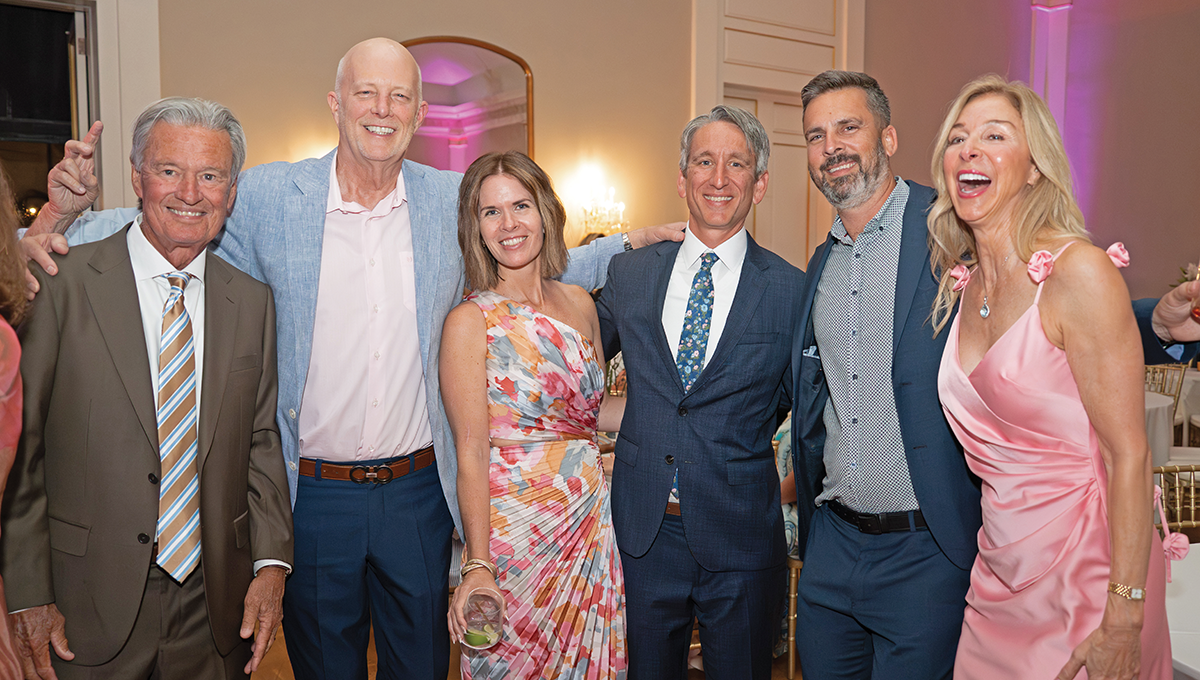
With good practice and much wisdom, philanthropy in our community has matured beyond stereotypes of social scenes held together by black-ties and ballgowns to become a sophisticated network of social action, steeped in public/private partnerships that are fueled by a compassionate community of people who find reward in reinvestment in community. It is a network that has room for the goodwill and contributions of everyone who calls St. Pete home.
St. Pete’s ambitious ascent is fueled by philanthropy—and it is one of the most significant reasons we will exceed our collective expectations for a future as bright as the light for which our Sunshine City is called.
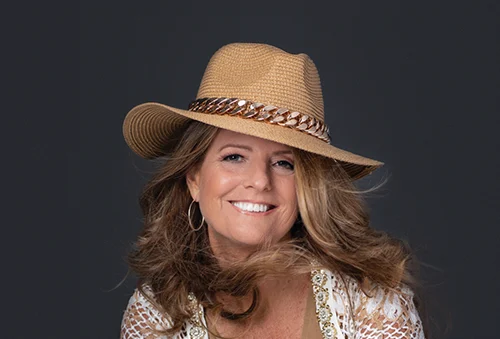
Dr. Kanika Tomalin, former Deputy Mayor and City Administrator, is the President and CEO of the Foundation for a Healthy St. Petersburg, a private foundation that works to advance health equity for the residents of St. Pete. More information about their efforts can be found at healthystpete.foundation